
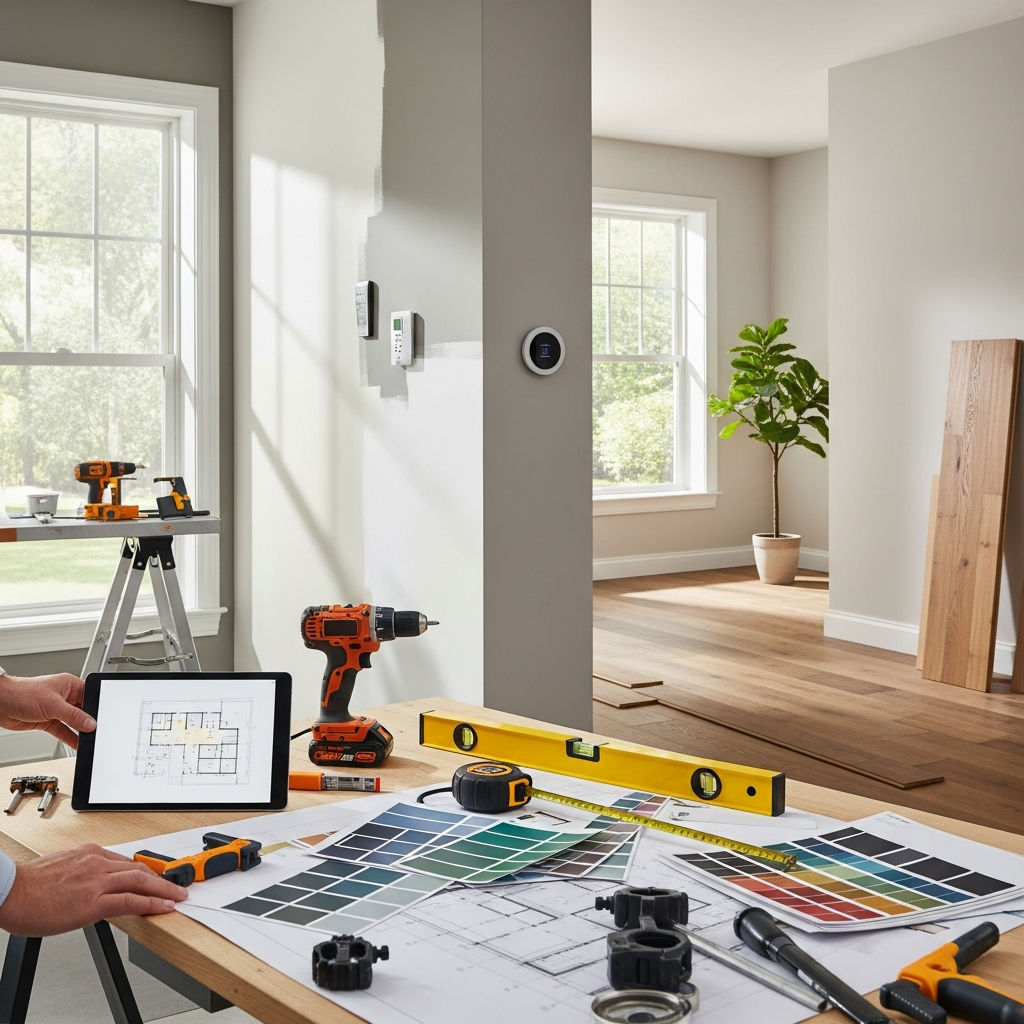
17 Modern Tips to Improve Your Home Improvement
Home improvement is no longer just about fixing a leaky faucet or painting a spare bedroom. In the modern era, it has evolved into a strategic blend of technology, sustainability, and lifestyle-driven design. Whether you are looking to increase your property value for a future sale or simply want to create a more functional sanctuary for your family, staying ahead of current trends is essential.
Today’s homeowners are prioritizing energy efficiency, smart integration, and wellness-focused environments. To help you navigate the complex world of renovations, we have compiled 17 modern tips to improve your home improvement projects and ensure your living space is ready for the future.
1. Integrate Smart Home Technology Early
Modern home improvement starts with connectivity. Instead of adding smart gadgets as an afterthought, integrate them into your infrastructure. Consider installing smart thermostats, automated lighting systems, and integrated security cameras during the renovation phase. This allows for cleaner wiring and a more seamless user experience.
2. Focus on Energy Efficiency and Insulation
One of the most valuable modern upgrades is improving your home’s “envelope.” High-quality insulation and double or triple-paned windows significantly reduce energy costs. Modern buyers look for energy-efficient ratings, making this a high-ROI (Return on Investment) improvement that pays for itself over time through lower utility bills.
3. Prioritize Sustainable and Eco-Friendly Materials
Sustainability is a cornerstone of modern design. When choosing materials, opt for reclaimed wood, bamboo flooring, or recycled metal accents. These materials are not only durable and aesthetically pleasing but also reduce the carbon footprint of your renovation project.
4. Adopt Biophilic Design Elements
Biophilic design is the practice of connecting occupants to nature. You can improve your home by adding “living walls,” maximizing natural light with larger windows, or using organic textures like stone and wood. This approach has been proven to reduce stress and improve mental well-being within the home.
5. Transition to “Zoned Living” Layouts
While open-concept floor plans were popular for years, modern home improvement is shifting toward “zoned living.” This involves creating flexible spaces that can be partitioned off for privacy—essential for those who work from home. Use glass partitions or sliding barn doors to maintain a sense of space while providing acoustic privacy.
6. Layer Your Lighting Schemes
Gone are the days of a single overhead light fixture. Modern interiors rely on layered lighting:
- Ambient lighting: For general illumination.
- Task lighting: For specific activities like cooking or reading.
- Accent lighting: To highlight architectural features or artwork.
Using dimmers and smart bulbs allows you to change the mood of a room instantly.
7. Upgrade to a Tech-Forward Kitchen
The kitchen remains the heart of the home, but modern versions are high-tech. Consider touchless faucets, induction cooktops (which are faster and safer than gas), and “smart” refrigerators that can help you track grocery lists. These features add a level of convenience that defines modern luxury.
8. Create a Spa-Like Bathroom Experience
Modern bathroom renovations focus on “wet rooms” and wellness. Features like rainfall showerheads, heated floors, and floating vanities create a minimalist, high-end aesthetic. Incorporating a bidet or a smart toilet is also becoming a standard in modern home upgrades.
9. Enhance Outdoor Living Spaces
Improving your home isn’t limited to the interior. Treat your backyard as an extension of your living room. Install a deck with weather-resistant composite materials, add a fire pit, or build an outdoor kitchen. Creating a seamless transition between indoors and outdoors increases the usable square footage of your property.
10. Invest in Multi-Functional Furniture
As urban living spaces become more compact, furniture must work harder. Look for built-in shelving that hides a fold-down desk or ottomans with hidden storage. In modern home improvement, every piece of furniture should contribute to organization and clutter reduction.
11. Use Color Psychology and Warm Neutrals
The “all-white” interior is fading in favor of warm neutrals and “earth tones.” Use shades of terracotta, sage green, and warm beige to create a cozy, grounded atmosphere. Understanding color psychology can help you choose hues that promote relaxation in bedrooms and productivity in home offices.
12. Maximize Hidden Storage Solutions
Clutter is the enemy of modern design. Improve your home by finding “dead space” and turning it into storage. This could include toe-kick drawers in the kitchen, storage under the stairs, or floor-to-ceiling cabinetry that blends into the walls. Hidden storage keeps your home looking sleek and organized.
13. Boost Curb Appeal with Modern Accents
First impressions matter. You can modernize your home’s exterior without a full remodel by updating the “jewelry” of the house. Replace old house numbers with modern typography, install a contemporary mailbox, and upgrade your front door to a bold, high-quality material with a smart lock.
14. Designate a Dedicated Wellness Room
With the rise of self-care, many modern homeowners are dedicating space specifically to wellness. This could be a small yoga studio, a meditation corner, or a room equipped with air purification systems and soundproofing. Highlighting air and water quality is a major trend in 2024 and beyond.
15. Opt for Low-VOC and Non-Toxic Finishes
Modern home improvement prioritizes health. When painting or installing new flooring, choose Low-VOC (Volatile Organic Compounds) or Zero-VOC products. This ensures that the air quality in your home remains safe for children and pets, avoiding the “chemical smell” associated with traditional renovations.
16. Utilize Professional Project Management Tools
If you are managing your own home improvement project, use modern technology to stay organized. Apps like Trello, Pinterest, or specialized home renovation software can help you track budgets, store inspiration images, and manage timelines with contractors. Organization prevents costly mistakes and delays.
17. Establish a Preventive Maintenance Schedule
The best way to improve your home is to protect the investments you have already made. Modern homeownership involves proactive maintenance. Create a digital schedule for checking your HVAC filters, cleaning gutters, and inspecting the roof. Regular maintenance prevents small issues from turning into expensive disasters.
Conclusion
Modern home improvement is a balance of aesthetic beauty, functional technology, and environmental responsibility. By implementing these 17 tips, you can transform your house into a high-performing, stylish, and comfortable home that stands the test of time. Remember, the most successful renovations are those that consider both the immediate enjoyment of the residents and the long-term value of the property.
Whether you are starting with a small DIY project or embarking on a major overhaul, focusing on quality, sustainability, and smart integration will ensure your home improvement efforts are a resounding success.