
Electrical safety is a must in homes and businesses. Faulty wiring, old panels, or overloaded circuits can lead to fires, shocks, and major damage. Staying safe means knowing how your system works and keeping it in good shape. This guide shares simple, practical tips to protect your property, save energy, and stay within safety rules.
Understanding Your Electrical System: Basic Knowledge for Safety
What Constitutes a Safe Electrical System
A safe electrician Cedar Park system has reliable components like circuit breakers, grounded outlets, and modern wiring. These parts prevent overloads, shorts, and shocks. Recognizing safety standards, such as the National Electrical Code (NEC) and local rules, helps ensure your system meets safety requirements. Always check that your setup complies with these codes to avoid hazards.
Common Electrical Problems and Their Risks
Overloaded circuits can cause wires to overheat and start fires. Faulty wiring or outdated panels increase the chance of shocks and equipment failures. Watch for warning signs like flickering lights, sparks, burning smells, or warm outlets. Catching these early can save lives and money.
Regular Inspection and Maintenance
Scheduling Professional Electrical Inspections
Having a licensed electrician inspect your system regularly keeps it safe. Older buildings or busy commercial spaces need checks more often—every 3 to 5 years, at least. These inspections can find issues early, preventing fires and costly repairs. A professional look over your system is the best way to stay protected.
DIY Safety Checks and Basic Maintenance Tips
Simple checks at home can make a big difference. Always turn off power before inspecting outlets or switches. Look for signs like sparks, buzzing sounds, or a burning smell. If something seems off, call an expert right away. Regular visual checks help catch small problems before they become big dangers.
Using Proper Tools and Safety Equipment
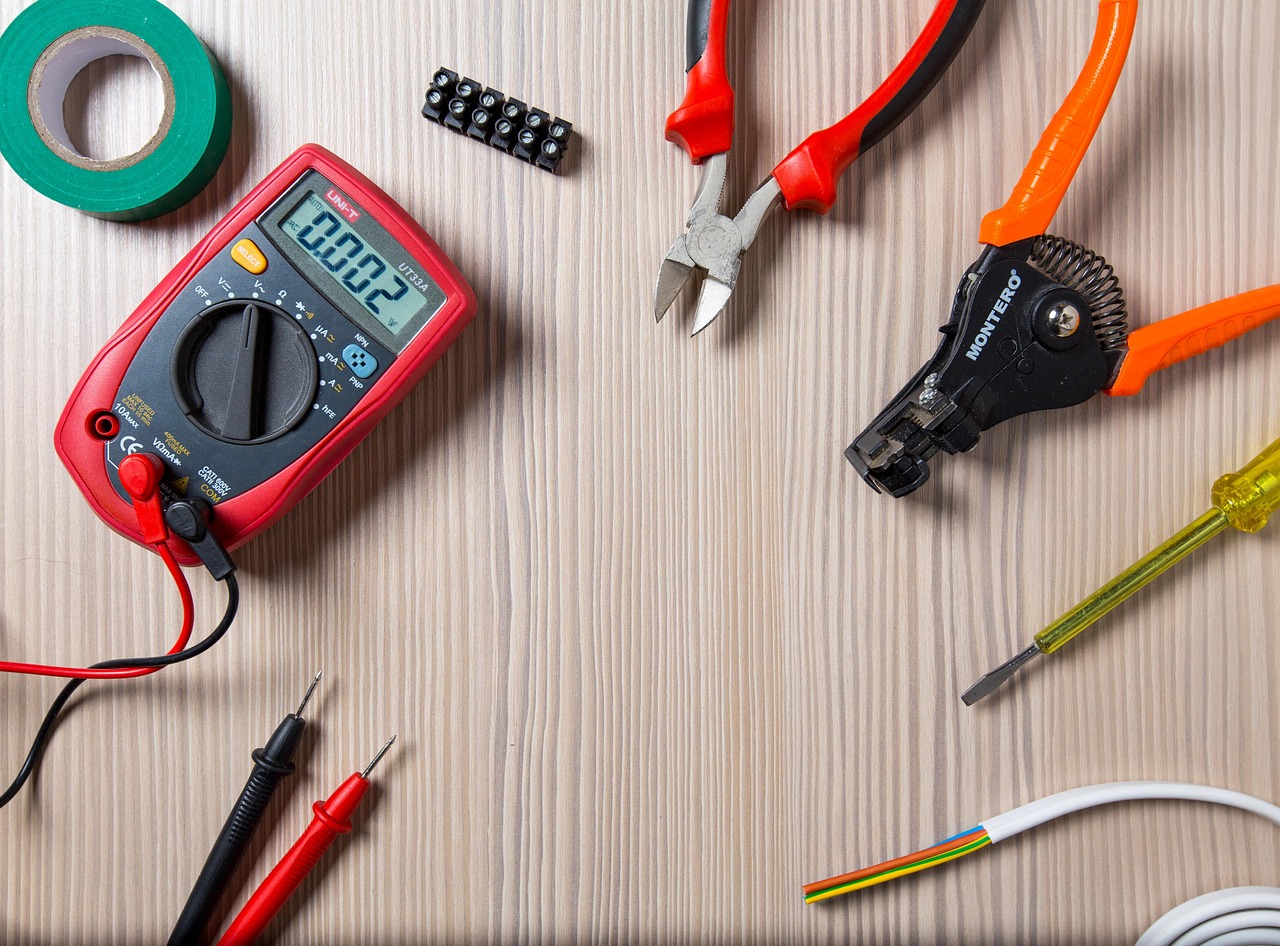
When inspecting or fixing electrical parts, wear safety gear like gloves and eye protection. Use insulated tools to avoid shocks. These precautions keep you safe while handling electricity.
Upgrading and Modernizing Your Electrical System
When to Consider an Electrical System Upgrade
If your circuit breakers trip often or your appliances are losing power, it may be time for an upgrade. Old panels and wiring can’t handle modern energy use. Upgrading improves safety, efficiency, and capacity to meet your needs. Don’t wait until a serious problem happens.
Choosing the Right Electrical Panel and Components
Modern panels with surge protectors and safety features help prevent damage from power spikes. Energy-efficient wiring reduces waste and keeps power running smoothly. Selecting high-quality components ensures your system runs safely and lasts longer.
Hiring Licensed Electricians for Major Revisions
Only trained professionals should handle big upgrades or repairs. Wrong wiring or improper installation can cause fires or shocks. Always verify their licenses, read reviews, and ask for references. Proper installation protects your home and loved ones.
Implementing Safety Devices and Technologies
Installing Ground Fault Circuit Interrupters (GFCIs)
GFCIs shut off power instantly if they detect a leak, especially in wet areas like kitchens and bathrooms. These devices are essential to prevent shocks and save lives. Installing them in outdoor outlets is just as important.
Using Arc-Fault Circuit Interrupters (AFCIs)
AFCIs prevent dangerous arc faults that can spark fires. They are now required by code in many areas. Installing AFCIs provides extra protection against electrical fires and keeps your property safe.
Incorporating Smart Technology for Enhanced Safety
Smart circuit breakers and home monitoring systems give real-time alerts if something’s wrong. You can control and monitor your electrical system remotely. These updates add a modern layer of safety and peace of mind.
Best Practices for Everyday Electrical Safety
Proper Use and Handling of Electrical Devices
Avoid plugging too many devices into one outlet. Use appliances as directed, and unplug them when not in use. These habits prevent overloads and reduce fire risk.
Educating Household Members or Employees
Teach everyone basic electrical safety. Show children how to stay away from outlets and avoid tampering with wiring. Knowledge saves lives.
Maintaining Clear Access and Safe Storage
Keep panel doors, outlets, and switches unobstructed for quick access. Store electrical tools safely, away from children. Clear space around your electrical setup makes inspections and emergency shutdowns easier.
Conclusion
Keeping your electrical system safe is vital for your safety and peace of mind. Regular inspections, upgrades, and smart safety devices all play a part. Take action today—schedule a professional check, upgrade outdated parts, and follow everyday safety tips. Protect your property and loved ones by making safety a top priority. Your electrical system should serve you safely today and for years to come.


