
Understanding Period-Style Tiles
Victorian and Edwardian tiles are often grouped together in discussions about heritage interiors, but the two styles offer distinct characteristics that reflect the design philosophies of their respective eras. If you’re restoring an older property or aiming to add timeless elegance to a modern home, understanding the differences between these two classic styles is key. Both are rich in charm, but they each tell a different story through colour, pattern, and overall feel.
Victorian Tiles: Rich, Dark and Decorative
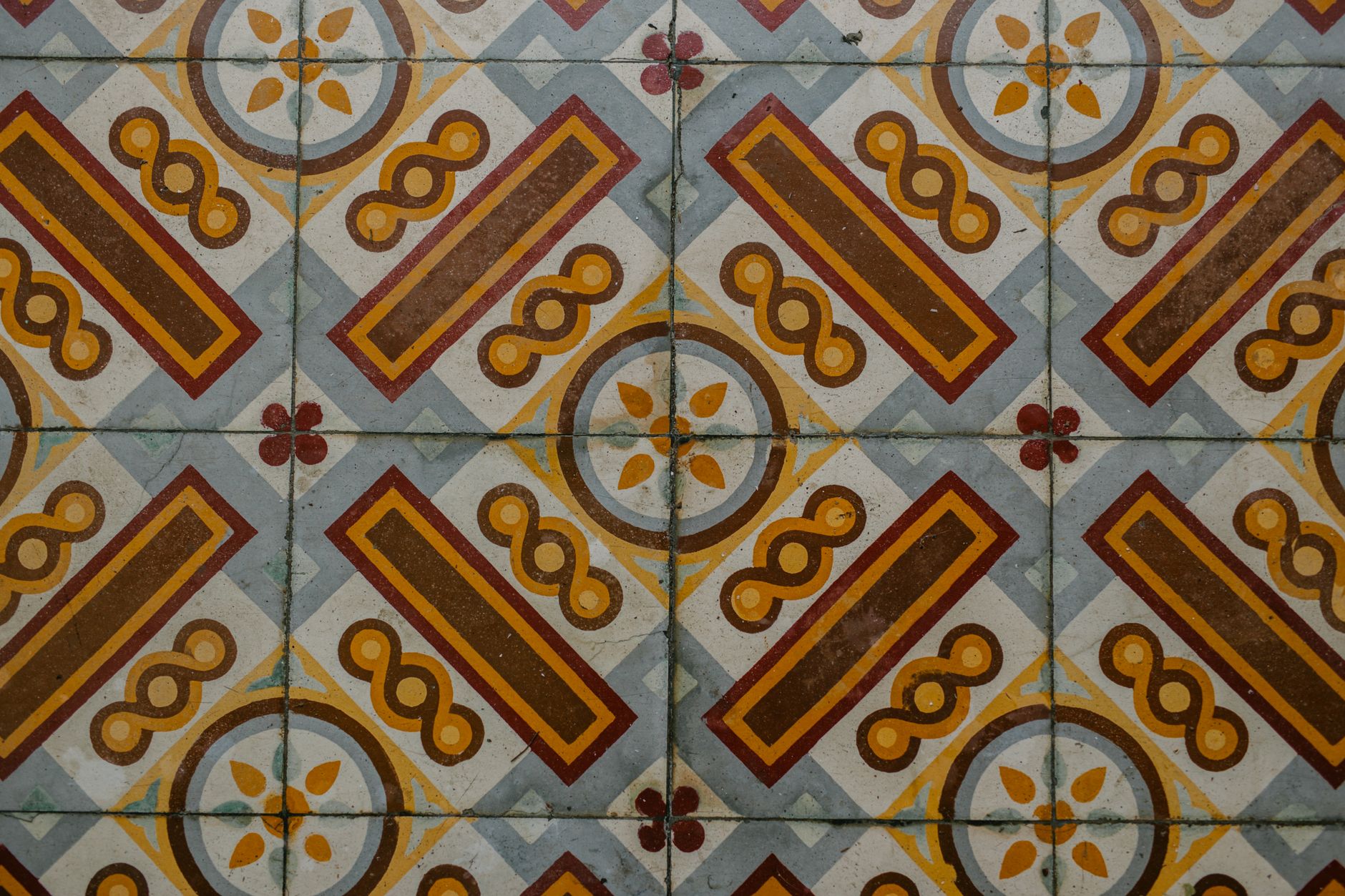
Victorian tiles are rooted in the 19th century and reflect the ornate tastes of the period. Heavily influenced by Gothic revival and medieval motifs, they often feature deep, moody colour palettes such as burgundy, forest green, navy, and black. Intricate geometric patterns and encaustic-style designs were incredibly popular, particularly for hallways and paths. These tiles were not just for function—they were a sign of status and often used to impress guests right at the entrance.
Florals and damask-style patterns were also common in more decorative settings, particularly on fireplace surrounds or in tiled panels. Glossy finishes were frequently used, and tiles were laid with precision to create striking effects using symmetry and repetition. You’ll often find Victorian tiles bordered with slimline edge tiles or mosaics to frame the pattern. Original Victorian tiled floors are still sought after today and are often restored in period homes across the UK.
Edwardian Tiles: Lighter, Fresher and Simpler
By the time the Edwardian era arrived in the early 20th century, interior design had begun to evolve. The influence of the Arts and Crafts movement encouraged a more natural, handcrafted aesthetic, and this was reflected in tile design. Edwardian tiles were often lighter in colour, with pastel shades such as sage green, pale blue, cream, and soft grey becoming more popular. The intention was to create brighter, airier spaces that felt less formal than their Victorian counterparts.
You’ll notice that Edwardian tiles tend to have simpler patterns. While geometric motifs still featured, the emphasis shifted towards subtle style rather than heavy embellishment. Square tiles, often arranged in straightforward grid formations, were commonly used in bathrooms and kitchens, complemented by dado or picture rails made from ceramic. Borders were thinner and less elaborate, and the overall feel was cleaner and more open.
Where You’re Likely to Find Each Style
Victorian tiling was commonly used in grander properties, public buildings, and city homes built during the peak of the Industrial Revolution. Think of long, tiled entranceways leading into terraced homes in cities like London, Manchester, and Glasgow. These tiles were meant to withstand foot traffic and provide a sense of grandeur, even in modest properties.
Edwardian tiles became more prominent in suburban homes built during a period of greater space and light. Bathrooms in Edwardian houses, for example, are typically tiled halfway up the wall, with a more restrained style. Porch and fireplace tiling from this period also reflects the move towards subtlety, with fewer colours used and less visual weight than earlier Victorian designs.
Which Should You Choose for Your Home?
If you’re restoring a period property, your choice may already be guided by the home’s original features. Victorian homes tend to suit the dramatic, decorative appeal of darker patterned tiles, while Edwardian houses benefit from the lighter, more refined look of simpler tiles. However, homeowners often mix elements from both eras to create a balanced space. A Victorian-style hallway can work beautifully with an Edwardian-inspired kitchen, particularly when tied together with a consistent colour theme.
Even in modern homes, the classic appeal of both styles can be integrated successfully. Victorian patterns make bold statements in contemporary bathrooms or cloakrooms, and Edwardian tiles offer a soft, heritage feel in new-build kitchens. Both styles are now widely reproduced using modern materials, including ceramic and porcelain, meaning you can achieve period charm with the practicality of modern tile technology.
Using Tiles as a Design Focal Point
Whether you’re drawn to the drama of Victorian design or the calm simplicity of Edwardian style, period tiles are a great way to add character to your home. They work well as focal features—think hallway floors, splashbacks, fireplaces, or statement bathroom walls. Paired with the right lighting and colour scheme, these tiles can form the centrepiece of a room while still being incredibly practical.
If you’re working with a tile supplier, it’s worth asking whether the tiles are designed as replicas of specific historical styles. Many manufacturers now categorise their tiles by era, helping you to choose patterns that align with your project goals. Whether you’re aiming to restore or reinterpret the past, these classic tiles provide plenty of scope for creativity.
Bringing Heritage Design Into Modern Living
Victorian and Edwardian tiles both offer a gateway into timeless British design. The key difference lies in their visual intensity—Victorian tiles shout, Edwardian tiles whisper. But both are steeped in tradition and still make an impact in today’s interiors. With so many high-quality reproductions available, it’s easier than ever to bring either style into your home.


