
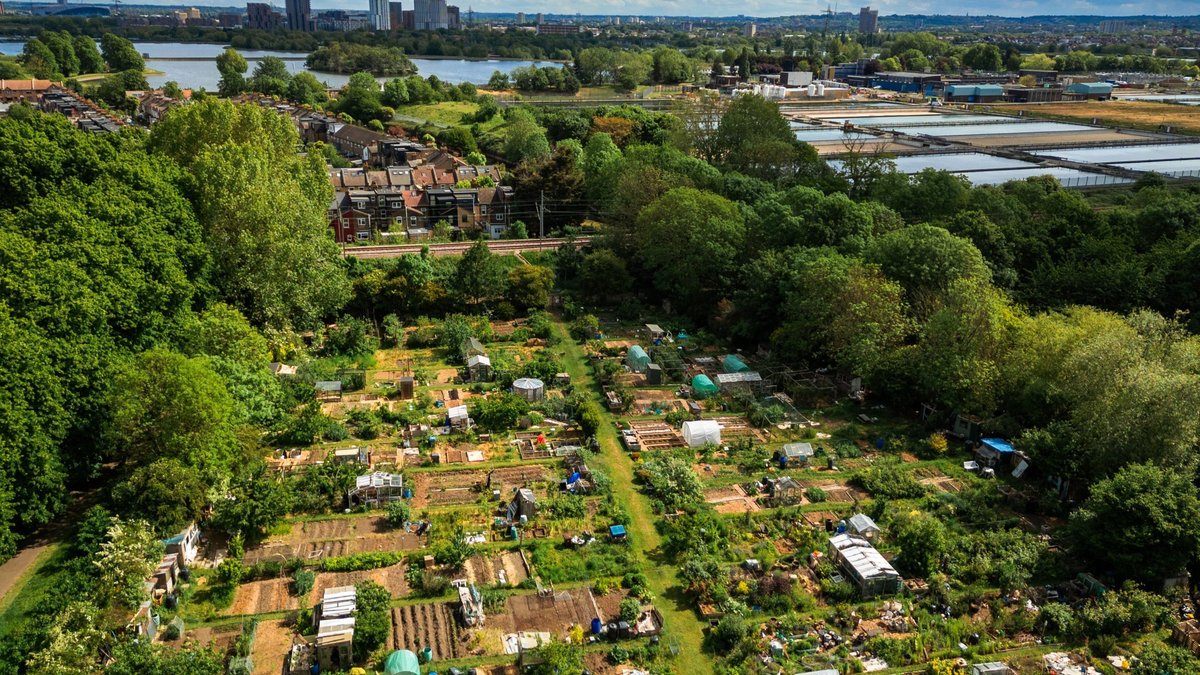
Thousands of people stuck on allotment waiting lists in the UK may see shorter waits in the coming years. Changes include smaller plots and efforts to improve accessibility.
Waiting times remain long, but demand may be stabilizing
More than 174,000 people were on allotment waiting lists in 2023. Bristol had the longest queue, with 7,630 applicants. Nationally, 63% of local authorities report average waits exceeding 18 months, while nearly one in five applicants face delays of over two years.
The South East and Thames Valley face the most pressure, where fully subscribed sites are common. Yet some improvements have appeared. The share of councils with over 1,000 people waiting has held steady, indicating demand may have leveled off. A few authorities are also taking steps to reduce backlogs, though not all changes satisfy everyone.
Over three-quarters of councils have cut plot sizes, a decision most new tenants accept. More than half now restrict households to one plot and have added allotment protections to local planning rules. These measures aim to distribute access more widely, even if each gardener gets less space.
Related: Garden designer makes Chelsea comeback after nine years
The adjustments highlight a key conflict: allotments are more sought after than ever, but land and funding are limited. The National Allotment Society calls them “more relevant today than at any time in recent history,” pointing to rising food costs, mental health benefits, and a shortage of private outdoor space. Yet councils have long treated allotments as a lower priority than housing and infrastructure, leaving many sites underfunded.
Public allotments are adapting too. Four in five councils now include wildlife areas on sites, and pollinator-friendly planting has increased. Over half have added accessibility features like raised beds and paved pathways, while 60% offer concessionary rents for pensioners and low-income households.
Matt Ellis, principal advisor for parks at the Association for Public Service Excellence, noted that local authorities are not just maintaining services but rethinking them. “By creating smaller plots, they’re making allotments accessible to a new generation of gardeners with busy lives, while also supporting biodiversity and inclusivity.”
Some new housing developments now include allotments in their plans. Woodhurst Park in Berkshire, a 65-acre country park, features them alongside nature trails and a village green. Such projects remain uncommon. Tim Foreman, land and new homes group managing director at LRG, said allotments often receive little attention. “They need proper access, water, good soil, and ongoing care—details that don’t always get priority.”
Related: Rare pink daffodil needs gardeners help
Options for allotment seekers
The outlook varies by location. In Bath, a potential crisis ended this summer when the council secured Combe Down Allotments after the landowner planned to terminate the lease. Elsewhere, the wait continues.
Those seeking an allotment may need patience or persistence. Some councils allow applicants to join multiple waiting lists, improving their odds. Others recommend volunteering at a site to build connections and show commitment.
The report shows that while the system is evolving, its appeal hasn’t changed. These spaces offer more than a place to grow food. They provide community, a break from screens, and a chance to work the soil—something many still value.
A flower show earlier this year highlighted similar trends in urban gardening, where space constraints push creative solutions.


