
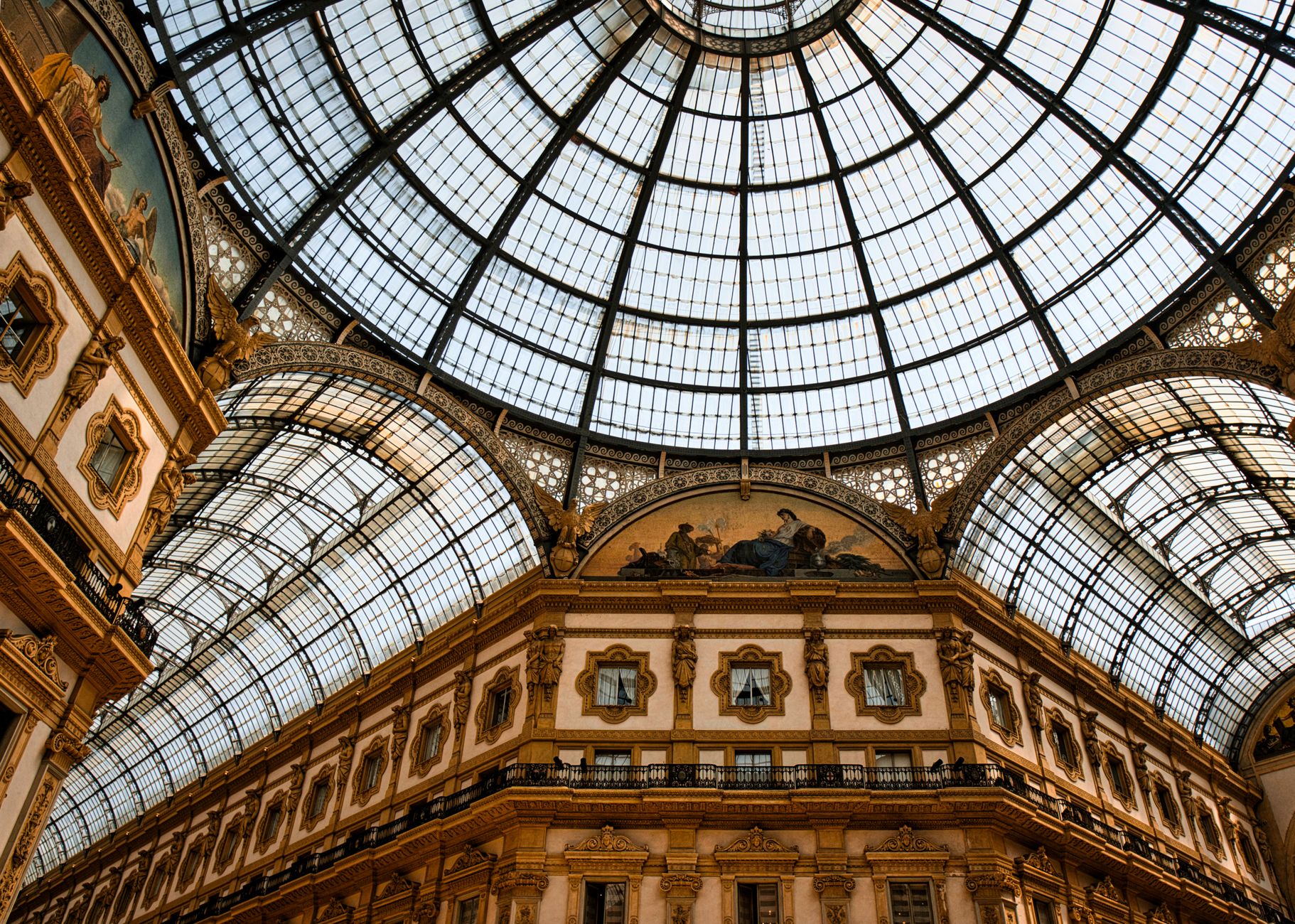
Milan Design Week 2026 transformed the city into a vast exhibition of immersive installations, merging architecture, craftsmanship, and new product launches across historic and modern venues. Brands used the event to explore how design influences daily life, often moving beyond individual products to address wellness, sustainability, and cultural exchange.
Where architecture met innovation
The Gaggenau installation, “Presence”, filled the glass pavilion at Villa Necchi Campiglio, a 20th-century estate in central Milan. The project drew inspiration from Italian Modernism and classical antiquity, using rhythm, proportion, and light to showcase the brand’s new Vario Cooling Expressive Series and Minimalistic collection. Visitors experienced a space where material and form dictated the atmosphere rather than the other way around.
At Casa Manzoni, Cosentino worked with designer Tom Dixon on “AXIS”, an installation that filled multiple rooms with Dixon’s material-focused furnishings and the company’s Éclos surfaces. The Reflection Gallery stood out, featuring mirrored displays and modular compositions that revealed the structural logic of the collection in real time. The approach demonstrated how surfaces could alter perception rather than simply serving as backdrops.
Grohe Spa occupied the Piccolo Teatro Studio Melato with three connected sanctuaries, each designed to evoke a distinct state of being. The installation presented water as a medium for wellbeing, weaving together ritual, craftsmanship, and design into a unified narrative. Instead of highlighting individual fixtures, it offered a vision of bathroom spaces that cleanse, rejuvenate, or relax through intentional design.
Nature, craft, and unexpected collaborations
Kohler’s installation at the Padiglione d’Arte Contemporanea partnered with Richard Christiansen, founder of Flamingo Estate, to create a multi-sensory environment centered on a brutalist bathhouse. Inside, an enameled cast iron bath sat encased in copper, while four custom pollinator baths in the garden provided habitats for bees and birds. The project framed human craft and nature as complementary forces.
Related: APE Grupo Architecture Awards Open for Entries
Duravit unveiled its Balcoon collection, designed by Patricia Urquiola, at the Gran Meliá Palazzo Cordusio. The installation positioned the sinks, tubs, and furniture within a broader discussion about form and material, guided by Urquiola’s approach to space. The historic palace setting contrasted sharply with the collection’s modern lines.
At the ADI Design Museum, guided tours explored a 70-year retrospective of Italian design. The exhibition traced how objects evolve alongside cultural shifts, with a 1960s chair serving as evidence of design’s response to changing lifestyles. The pieces weren’t just relics but markers of how the field anticipates societal needs.
The Gae Aulenti Archive in Brera offered a different perspective. The space, divided between Aulenti’s home and studio, blurred the boundary between personal and professional life. Visitors moved through rooms where personal artifacts and work-in-progress models sat together, showing how inspiration flows between the two. The display treated design as a lived practice rather than a finished product.
While Milan Design Week has always been a platform for innovation, this year’s installations signaled a change. The emphasis shifted from what a product could do to how it could shape an experience—whether reimagining the bathroom as a sanctuary or positioning a sink within a larger ecosystem. The city’s landmarks served as temporary stages for these ideas, demonstrating that design, at its most effective, doesn’t just occupy space but transforms it.
Beyond the installations, the event’s influence spread through the city. Local businesses saw increased foot traffic, with cafes and galleries in Brera and Porta Venezia experiencing crowded sidewalks. Yet the week’s success wasn’t measured solely in sales. For many, the lasting impression was how design could redefine everyday objects, turning a faucet into a ritual or a bathtub into a statement about harmony with nature.


