
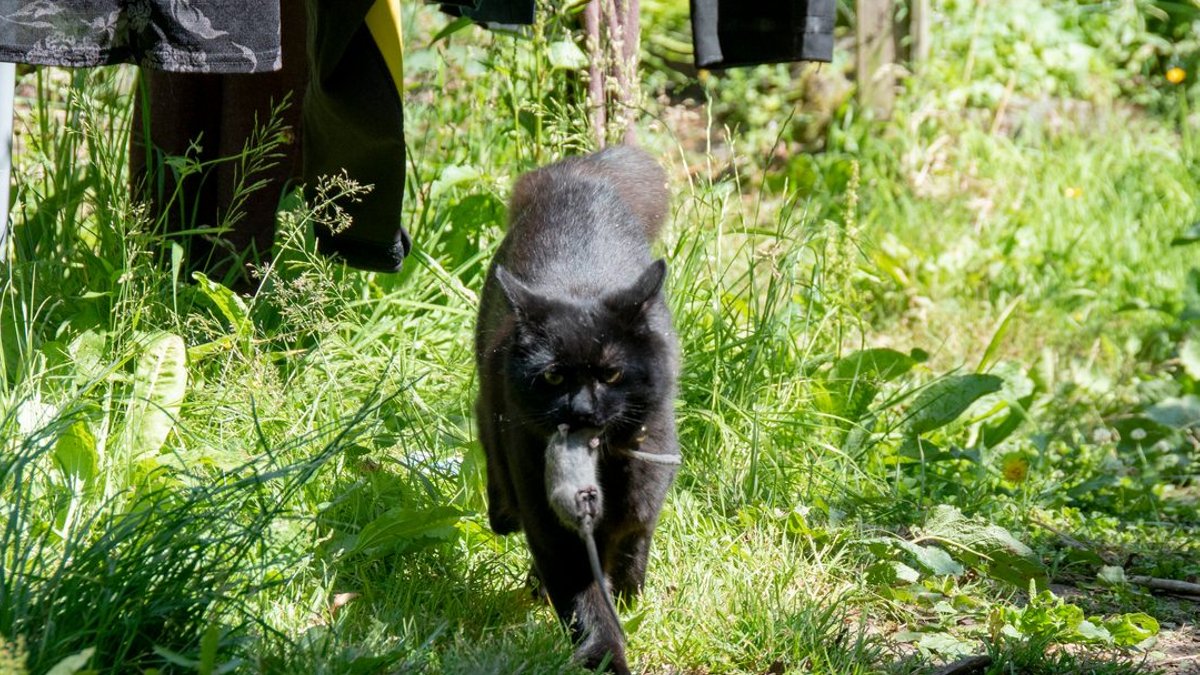
The debate over domestic cats in the UK is intensifying as new figures reveal the scale of wildlife predation. A 2024 study by Cats Protection estimates there are around 10.2 million pet cats in the country, a number that does not include strays, suggesting the actual total could be much higher. This high volume of felines roaming outside brings them into constant contact with local wildlife, sparking a conflict between pet ownership and environmental conservation.
Cats and the garden environment
Professor Nigel Dunnett, a planting designer and professor, has a firm stance on the issue. During an episode of the Talking Gardens podcast, he stated that cats would be banned from his fantasy garden. He argued that while cats act on instinct, their presence creates a hostile environment for other life. “The one thing that’s banned from my gardens is cats,” Dunnett said. “Cats are killers and they take songbirds, and they take mammals, but they also deter and scare things away. So I really, don’t have cats myself, but I would really want my dream garden to be a cat free zone just to let other life exist without being eaten, chased or scared away.”
Related: Scottish garden restored to former glory
This tension between keeping pets and protecting birds is reflected in public opinion. An Instagram survey conducted by the publication found that 51 per cent of respondents worried about the impact cats have on wildlife, while 49 per cent owned cats. Among the cat owners, 49 per cent admitted their pets killed things in the garden. While many responses focused on the damage to birds, others highlighted the rodents cats control. One respondent explained their compromise: “I’m constantly compromised by my love of cats and wildlife. Hugo has a massive frilly collar and a bell.” Another called cats “a menace,” saying they have “no other purpose than to kill wildlife and messy up the borders.”
Managing the population and predation
Conservationists emphasize that the impact of cats extends beyond direct predation. A 2023 study published in the journal Nature Communications identified that house cats eat 2,084 different species globally, with birds, reptiles and mammals making up around 90 per cent of that diet. Another study from 2022, published in Setting and Urban Planning, suggested cats may kill between 160 and 270 million individual animals annually in the UK.
Related: Pet-Friendly Furniture Recommended by Singaporean Parents
Conservation groups often walk a fine line when addressing the issue. National charities face criticism from some quarters for not campaigning more aggressively against cats, allegedly to avoid alienating supporters. Organizations like the RSPB have responded by focusing on the wider pressures facing wildlife. The RSPB spokesperson stated that given the many pressures on garden bird populations, from loss of habitat to the effects of climate change, they advise the public on ways to help reduce predation. This includes fitting bells to quick-release collars and keeping cats inside overnight. They also encourage garden owners to create nature-friendly spaces, such as planting dense fruiting shrubs like holly and hawthorn, which can provide food and nesting sites while offering protection from predators.
Addressing the debate requires balancing the needs of pet owners with the survival of local wildlife. While cats are beloved companions, the sheer volume of pets in the UK creates a significant ecological footprint. For those who garden specifically for wildlife, not owning a cat is often a serious consideration. If a cat is already part of the household, owners can mitigate the impact by limiting access during peak hunting hours at dusk, dawn, and night. Using large, brightly colored, quick-release collars with bells can also help wildlife detect approaching cats. Neutering or spaying pets is another practical step to manage populations and reduce the number of strays.
We asked the RSPB for their opinion on cats in gardens, and this is what their spokesperson said: “We know cats do kill larg


