
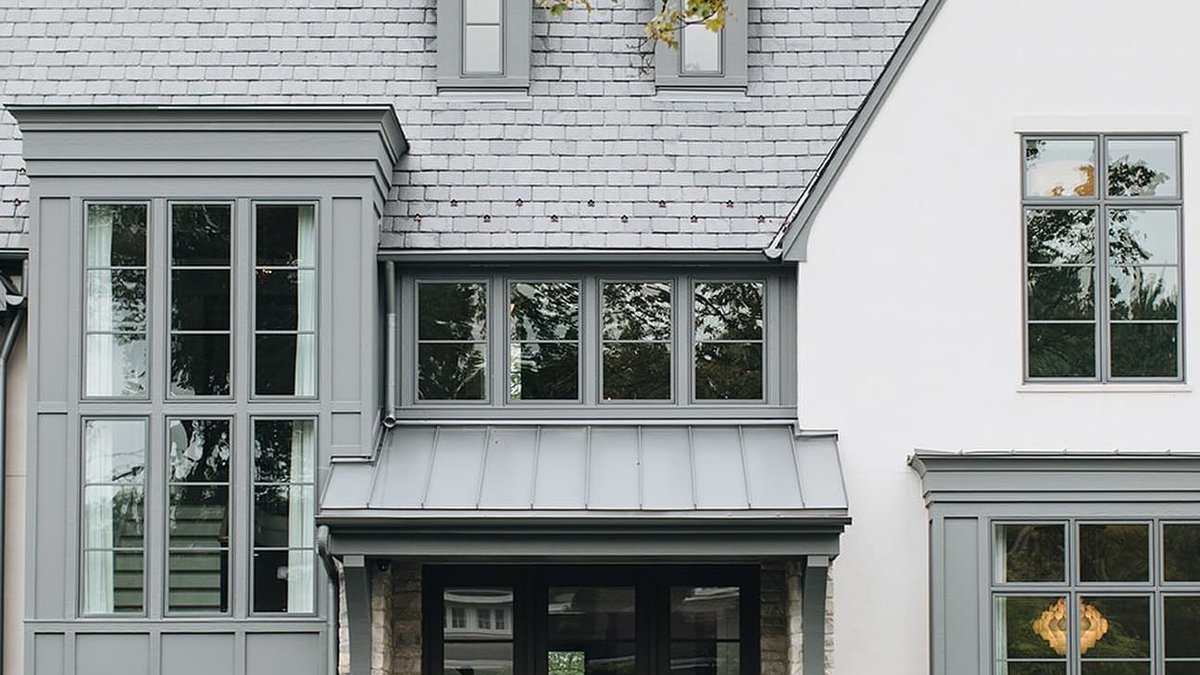
Every ten to fifteen years, homeowners face a key decision: choosing the exterior color of their house. Given its long-term impact, it’s essential to make an informed choice. The most effective exterior designs eschew trendy colors, instead opting for hues that complement the house, yard, and prevailing light conditions. Five exemplary exterior house colors demonstrate a thoughtful approach to this decision.
5 Exterior House Colors That Harmonize with Siding, Yard, and Light
Selecting an exterior paint color is a decision that can have lasting consequences. A well-chosen color can become an afterthought, while a poor choice can be a constant source of irritation. The six houses featured below demonstrate a successful approach to exterior color selection, characterized by a focus on compatibility with siding, roof, yard, and natural light. Rather than following trends, these homes showcase a thoughtful and timeless design aesthetic.
A common thread among these homes is their emphasis on selecting colors that work in concert with the surrounding environment. By doing so, they create a visually appealing and enduring exterior design. This approach is the key to creating a look that will remain attractive over time, rather than succumbing to the fleeting nature of trends.
The Benefits of Combining Two Colors
A house can gain significant visual interest by pairing a crisp white stucco exterior with deep slate gray accents on bay windows, dormers, and trim. This contrast draws the eye to the home’s architectural features, including the roof’s peak, window grids, and entryway. Without this contrast, the facade would appear flat and uninteresting. The addition of a dark brown door and metal awning adds depth without creating a overly coordinated look, while hydrangeas along the base of the house soften the overall appearance.
A Timeless Warm White
A warm white exterior can be an excellent choice for a farmhouse, as it reflects the sky, pasture, and surrounding light. To avoid a cold, blue-gray appearance on cloudy mornings, it’s essential to select a warm white rather than a stark one. The inclusion of dark metal roof accents and black window frames provides visual balance, preventing the large white exterior from appearing washed out.
The Importance of Balancing Dark Paint with Warm Elements
Navy blue siding can sometimes appear cold, but the addition of a cedar shake front and warm wood porch posts can mitigate this effect. The natural wood elements bring warmth to the design, preventing the dark color from appearing gray and uninviting on winter days. For those considering a dark exterior, this combination is a useful formula to follow: pairing a deep paint color with a natural wood element to create a harmonious and balanced look.
Allowing the House’s Shape to Take Center Stage
In the case of a modern house, it’s often best to let the design speak for itself. A warm taupe exterior can achieve this, as it is neutral enough to avoid drawing attention away from the home’s shape. The slightly darker tone on the recessed walls adds depth to the design without requiring a second color, creating a visually interesting and subtle exterior.
The Appeal of a Dark Exterior
Black exteriors have become increasingly popular, and for good reason. The trim on a dark house stands out in a way that is not possible on a lighter-colored home. The cream-colored accents around the gables and dormers guide the eye across the architectural details, while the pale stone base prevents the design from feeling overly heavy. If a house has interesting rooflines, a dark paint color can help make them more visible from the street.


