
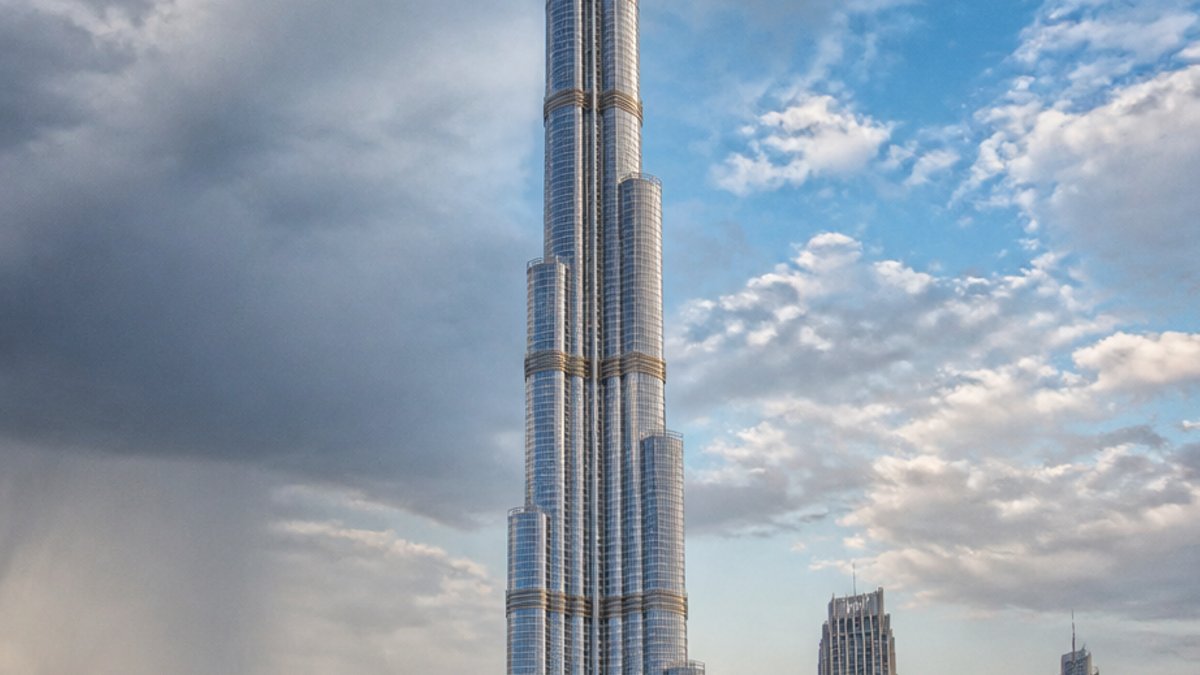
The UAE’s real estate market will experience standard October weather in 2026, with mixed cloud cover and scattered showers in major cities. On October 12, 2026, convective clouds are forecasted to develop over eastern and inland areas by midday, leading to rain in Al Ain, Dubai, and Sharjah. Abu Dhabi will reach 39°C, while Dubai’s temperatures are expected to peak at 38°C, consistent with typical late-autumn levels.
Weather fluctuations are a well-documented aspect of urban planning across the UAE, where infrastructure is engineered to accommodate such variations without operational setbacks. Both Dubai and Abu Dhabi implement strict building codes and smart systems to handle heatwaves and occasional precipitation. These preparations ensure that seasonal shifts do not derail ongoing construction or property development.
Investor trust in the UAE’s real estate sector stems partly from its ability to anticipate and manage climate-related challenges. Dubai, as the region’s primary market, demonstrates resilience by sustaining construction and property operations despite weather disruptions. The capacity to address extreme heat or brief rainfall maintains stability across residential, commercial, and hospitality projects.
Urban planning in the UAE incorporates adaptive strategies, including smart city technologies and climate-responsive architecture, to limit weather-related interruptions. This approach allows developers to advance projects while ensuring residents and businesses retain access to essential services. The October 2026 forecast, therefore, represents a routine part of the country’s broader environmental planning rather than an unexpected deviation.
Dubai’s property market, in particular, has demonstrated remarkable stability during comparable weather events in previous years. This track record shows the UAE’s capacity to balance environmental factors with economic growth.
Urban environments of Dubai and Abu Dhabi, characterized by their advanced building designs and smart city initiatives, are inherently designed to mitigate the effects of both high temperatures and occasional rainfall. This proactive approach to urban planning supports continuous construction activities, ensures seamless property management, and guarantees uninterrupted access to amenities and services for residents and businesses alike.


