
Most people treat their brain like software—expecting peak performance all the time. The brain, however, is a biological organ, and its surroundings determine how well it functions.
Noise, visual clutter, and stress deplete mental resources, making concentration and clear thinking difficult. Workspaces designed with cognitive ergonomics in mind can ease this strain and improve performance.
Visual Privacy Sharpens Focus
Open offices often subject workers to constant movement and conversations, which increases mental effort. A study by Steelcase and the Center for Healthy Minds at the University of Wisconsin-Madison found that even modest visual barriers enhance concentration.
Participants in partially shielded work areas performed better on attention tasks than those in fully open layouts—even when noise levels were the same. Privacy screens, enclosed focus zones, and subtle dividers help preserve mental energy for important work.
This approach isn’t about cutting people off. It provides control over where attention is directed.
Related: Shoreditch Design Week Revives London’s Design Scene
Offloading Thoughts to Physical Space
The brain isn’t equipped to retain every idea simultaneously. Writing down thoughts on whiteboards, pin-up surfaces, or shared project spaces reduces the load on working memory. This practice, known as cognitive offloading, creates room for creativity and problem-solving.
Physical spaces also allow teams to view multiple ideas at once, making it easier to identify patterns. Digital tools often fall short in replicating this benefit.
An added advantage is increased movement. People tend to shift positions more when they’re not fixed to a screen, which supports clearer thinking.
Movement as a Cognitive Tool
Sitting for long periods harms both body and mind. Studies confirm that physical activity enhances attention, memory, and decision-making. Workspaces that promote movement—such as adjustable desks, standing collaboration areas, or active seating—help sustain energy and engagement.
The aim isn’t to eliminate sitting. It’s to offer choices. A worker might use a stool for a brief meeting, then switch to a standing desk for focused work. These small adjustments can improve brain function.
Related: Landsec opens new King’s Cross workspace
As work increasingly values human skills like creativity and critical thinking, such changes will become necessary rather than optional.
Balancing Focus and Connection
Innovation requires interaction. Social spaces like cafés, community hubs, or informal meeting areas encourage unplanned conversations. These interactions build trust and psychological safety, which are vital for teamwork.
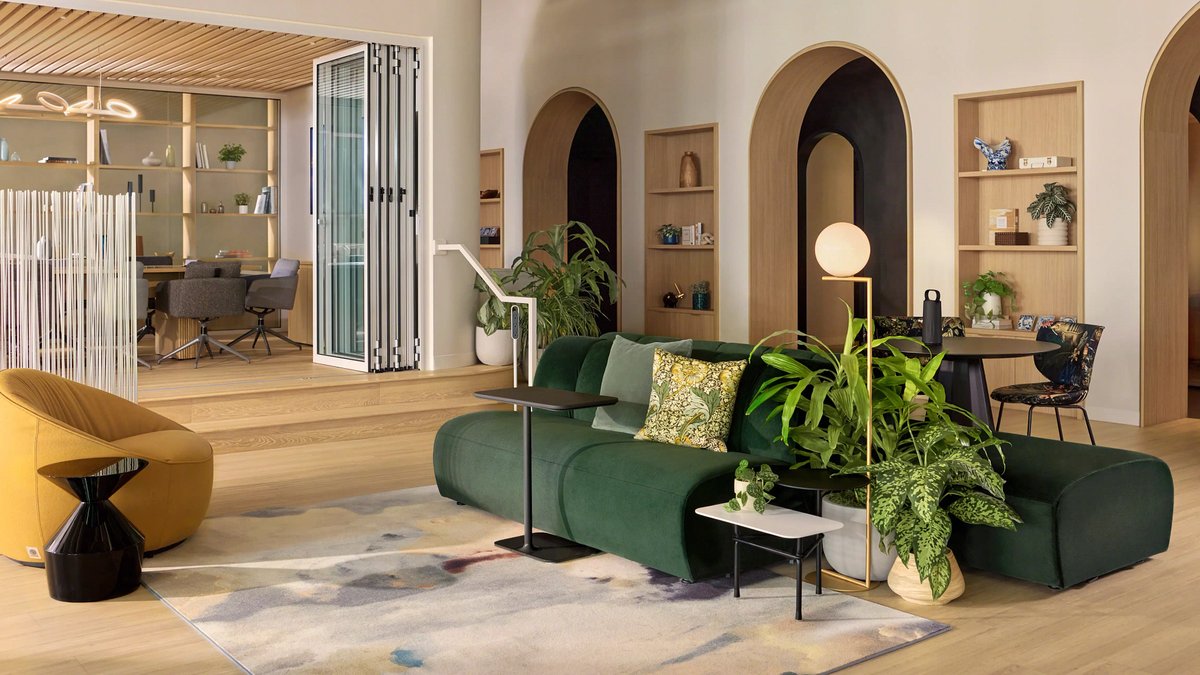
Yet constant focus isn’t realistic. The brain needs rest. Quiet lounges, retreat spaces, and natural materials such as wood or soothing colors can lower stress. Even brief pauses in these settings restore mental energy.
With AI handling more routine tasks, the remaining work will demand sharper thinking and better collaboration. Workspaces that support these needs won’t just improve comfort—they’ll provide a real edge.
The best offices won’t be judged by desk count, but by how effectively they help people think.


