
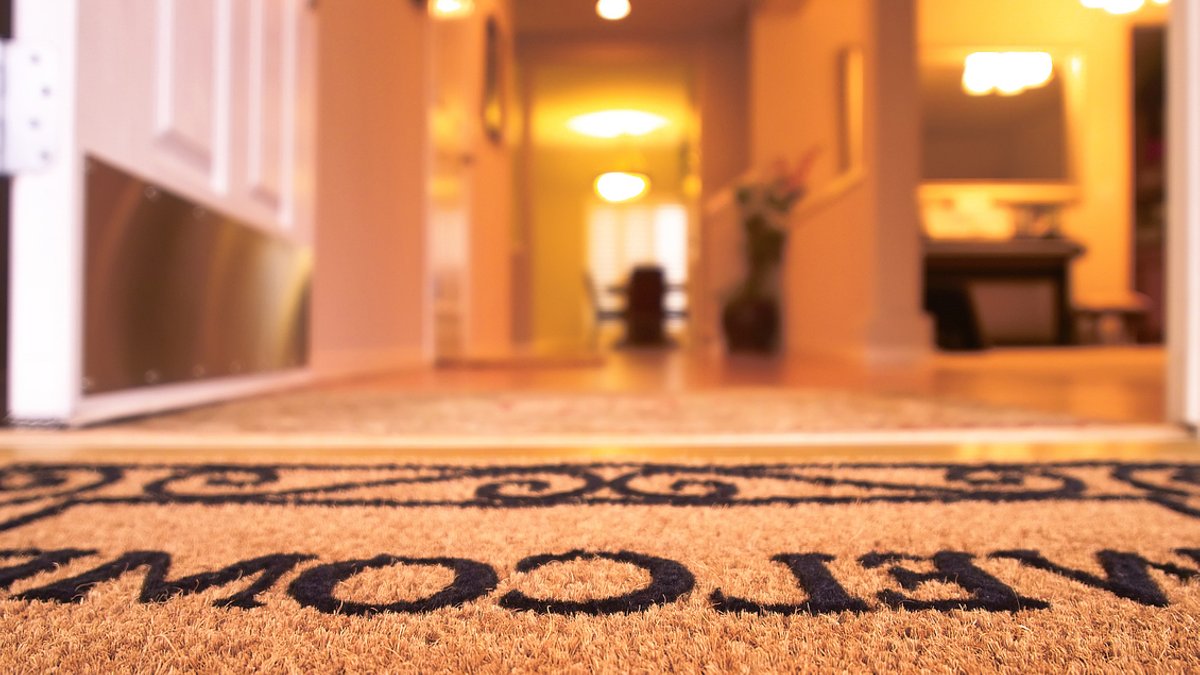
The traditional doormat is being replaced by a more effective alternative: the recessed mat. According to House Digest, this type of mat is built into the floor and sits flush with the surface, rather than lying on top like a conventional doormat. A German home guide from Ludwigshafen24 declares “the era of the doormat is over,” highlighting recessed mats with outside scrapers or grates and inside absorbent mats as the modern solution.
This design change is meant to improve functionality and lower maintenance needs. Recessed mats, also called sunken or fitted door mats, can be installed with aluminum strips that act as scrapers; these are often referred to as recessed grill mats. The system can be positioned either inside or outside the door, depending on the layout of the entryway.
Benefits of Recessed Mats
Recessed mats provide several advantages over standard doormats. They stay in place and do not slide, which cuts the risk of tripping and prevents the mat from becoming wedged under a door. In addition, they keep dirt and moisture confined to a single area, making it easier to clean the surrounding floor.
They also protect flooring from wear by limiting the amount of grit that reaches the interior. Moreover, the flush installation creates a seamless transition to tile or wood, giving the entrance a more intentional and polished appearance.
Commercial Applications
Commercial buildings have adopted a similar approach to entryway design, with the WELL Building Standard calling for permanent entryway systems that include grilles, grates, or slots, as well as rollout mats or walk-off material. This design helps to scrape off dirt and moisture outside and absorb it inside, reducing the amount of debris that enters the building. The WELL Standard requires the system to be at least as wide as the doorway and extend about 10 feet forward, with weekly inspection and cleaning to maintain performance.
Installation and Maintenance
Installing a recessed mat usually requires cutting a well into the floor, a step that is most convenient during a flooring renovation. House Digest describes one install that involved removing the threshold, setting the mat in the recess, and reattaching the threshold.
Homeowners who are not undertaking a full remodel can still adopt the concept by placing a heavy scraper mat outside and a flat, absorbent walk-off mat inside, creating a borrowed system without structural changes. Even without a full 10-foot zone, the principle remains: an exterior scraper mat removes bulk soil, then a longer interior absorbent runner gives dirt extra opportunities to fall off before reaching the living space. Clean the recess monthly, weekly in wet seasons, and let everything dry before putting the mat back.


