
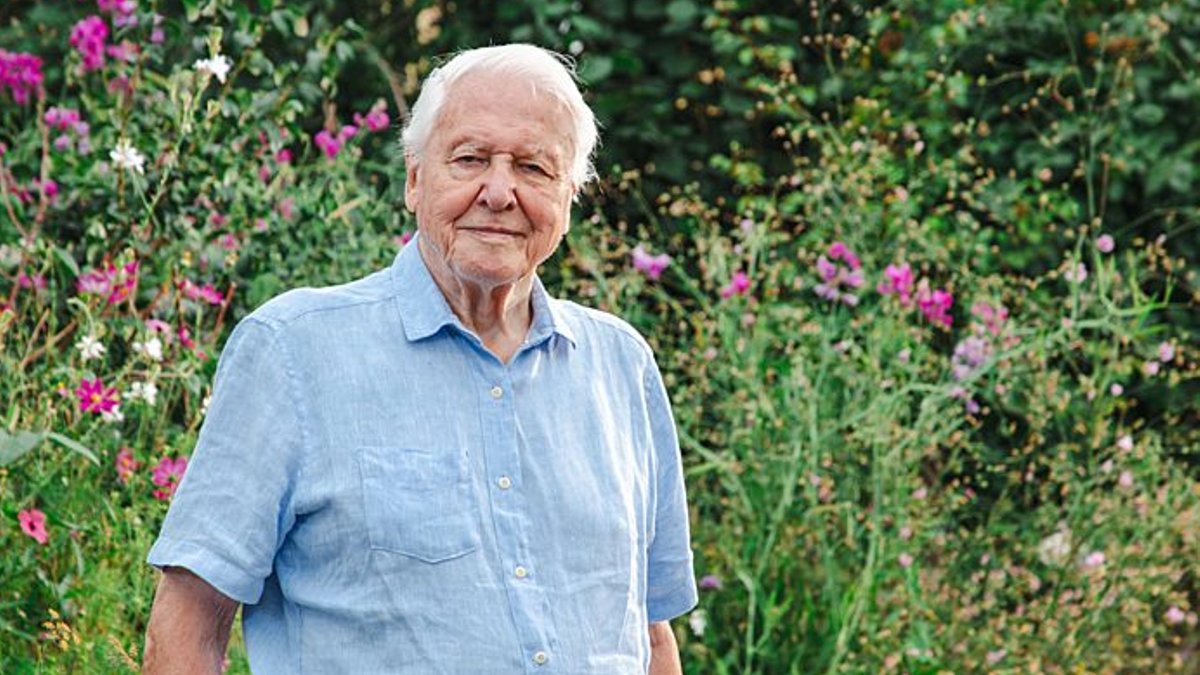
Sir David Attenborough is turning his lens closer to home. In his 100th year, the broadcaster will narrate Secret Garden, a new series exploring the wildlife hidden in British gardens—from Bristol backyards to the Western Highlands.
The show aims to change how people view their own plots. Series producer Bill Markham explains that while many wildlife programmes focus on exotic species in distant locations, this one reveals the extraordinary world much closer to home. “For many of us, the animals that live in our gardens are the first we ever see, yet we often overlook them,” he says. “We wanted this series to be relatable and meaningful. For many of us, the animals that live in our gardens are the first animals we ever lay eyes on, and yet as we grow up we take them for granted and know so little about them.”
Gardens as wildlife lifelines
Around 80% of Britons have access to a garden, a figure the series uses to show how small spaces can support struggling wildlife. The featured gardens range from a 10-metre urban plot in Bristol to a riverside garden in Oxfordshire that floods annually, testing the resilience of its animal residents.
Related: Expat reveals best Singapore neighbourhoods for you
An Oxfordshire garden sits beside a tributary of the Thames. Left mostly wild, it attracts kingfishers, bank voles, and otters. Filming proved difficult due to record-breaking rain, which disrupted breeding cycles and forced animals into hiding. “British weather is predictably unpredictable,” says Bill, series producer. “But none of us foresaw how wet it would be in our main filming year. We experienced record-breaking rains in many of our gardens – meaning many animals failed to breed, and many more remained hidden. And when it wasn’t raining it was often cloudy – the papers called it an ‘anticyclonic gloom’. But sometimes this made for good stories – the flooding in our Oxfordshire garden was pretty dramatic! And the sun just about came out in the end.”
The team also filmed in an urban garden in Bristol. Just ten metres across and surrounded by streets and traffic, this garden has become a haven for local wildlife. Foxes make the garden home, while baby blue tits battle with the neighbourhood cat. The small Bristol garden is owned by Louise Vergette. “I’ve been working in my garden from the moment we bought the house in 2001,” she says. “The very first thing I did before any of the renovation work was to build a pond at the bottom of the garden. I’m not a very knowledgeable gardener, and half the time I accidentally pull out stuff that I’ve previously planted, but being in my garden and doing a little bit to help wildlife gives me joy.” That pond became a key focus of the episode about Louise’s garden, with frogs and tadpoles as well as dragonflies all using the space. “My happiest memories from working on my garden have been when you make some small change and the wildlife appears,” says Louise.
Producers spent months selecting locations. They searched social media, gardening magazines, and Wildlife Trust recommendations to find gardens that were biodiverse and accessible. Markham explains that the sites needed plenty of animals, visual appeal, and owners willing to host crews for extended periods.
Filming in private spaces had its challenges. Markham jokes that the animals lived up to the series’ name by staying hidden. “I hoped they’d be more comfortable around us,” he says. In Bristol, even hidden cameras struggled to capture foxes and hedgehogs. Remote traps became essential for recording moments the crew missed.
Related: US Builders Show Cautious Optimism in Q3
Attenborough’s involvement excited the garden owners. Louise says she was thrilled to learn he would narrate. “He’s done more for wildlife awareness than anyone else in this country.” The series arrives as interest in rewilding and biodiversity increases, though it avoids presenting gardens as a complete solution. Instead, it shows them as one way people can observe and sometimes help nature.
A different kind of wildlife documentary
The show takes a personal approach. By focusing on individual gardens, it ties ecological messages to human stories. Markham says the series aims to shift perceptions. “We want people to look at their gardens in a new light – to realise that they are full of amazing wildlife… or if they’re not, they can be!” he added. “Around 80% of us have access to a garden – which means nearly all of us can play a role in supporting struggling wildlife.”
That idea may resonate now more than ever. As climate change and habitat loss worsen, gardens could become vital refuges for species under pressure. The series doesn’t lecture. It simply encourages viewers to look closer at the world outside their doors.


