
Singapore’s neighborhoods each carry a distinct rhythm, shaped by geography, history, and the people who call them home. For those weighing a move—whether as a new resident or a longtime local seeking change—where you live can quietly reshape daily life.
The East: Where the city slows down
The East Coast has long been the domain of loyalists who insist the air smells different here. Aurora, a lifelong resident, describes it as a place where “the air in the east smells fresher and more like home.” That sentiment isn’t just nostalgia. The area’s proximity to beaches—Changi, Pasir Ris, and East Coast Park—gives it a rare coastal ease within an urban setting. A 20-minute drive can land you at a mangrove boardwalk or cycling along the waterfront, where the scent of saltwater lingers.
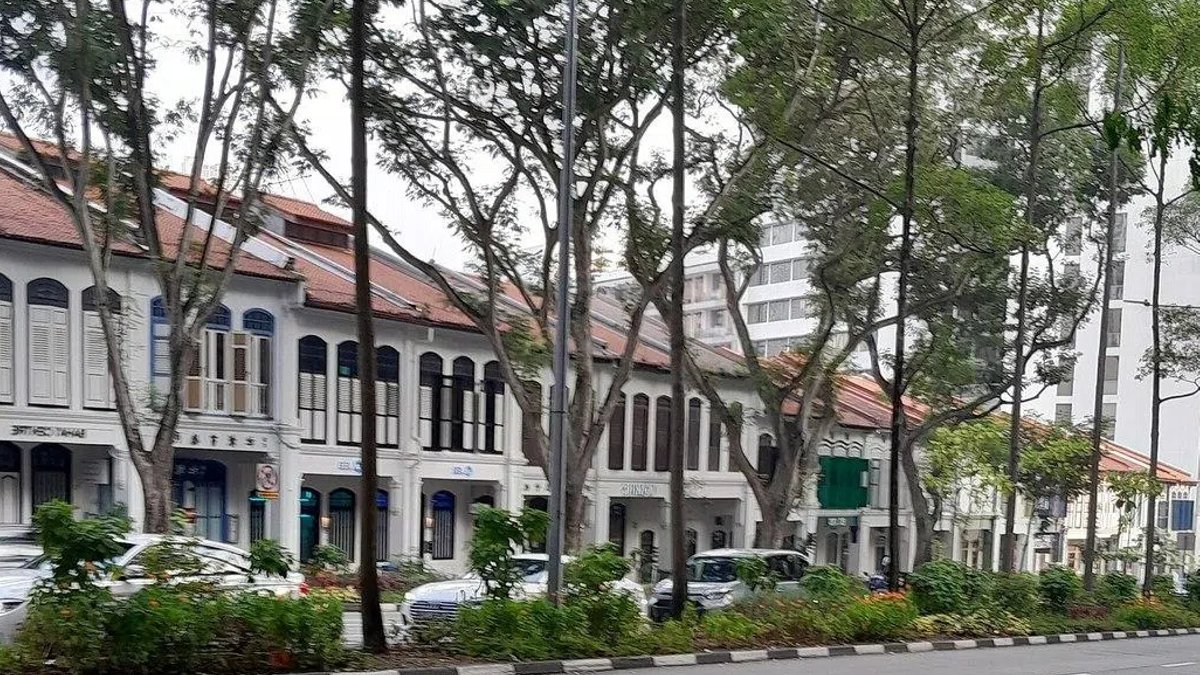
Food plays a central role. Hawker stalls serve up Katong laksa and East Coast Lagoon chili crab, while Peranakan shophouses in Joo Chiat add splashes of color to the streets. The housing stock is older, with well-established HDB blocks and mature infrastructure. Shopping malls exist, but they don’t dominate the skyline the way they do in the city center. Instead, the East feels like a compromise: close enough to downtown for convenience, but with enough green space to soften the edges of urban life.
Related: Old flats prove attractive to young buyers
It’s not for everyone. Those who thrive on constant activity might find the pace too slow. But for families, remote workers, or anyone who prioritizes outdoor time, the East offers a version of Singapore that feels less like a metropolis and more like a seaside town.
Little India: Culture, convenience, and compromise
Little India pulses with energy. Historic shophouses, now home to trendy cafes and boutique shops, line the streets alongside temples and traditional businesses. The area’s cultural richness is undeniable, but so is its density. Unlike the East, there are no sprawling parks or beaches here. Instead, the draw is proximity: to work, to nightlife, to the kind of vibrancy that comes from living in the heart of the city.
The area’s appeal is niche. It suits those who want to be in the thick of things—professionals, artists, and food lovers who don’t mind sacrificing green space for convenience. But for families or anyone seeking a quieter pace, the noise and crowds can feel overwhelming.
Related: APE Grupo Architecture Awards Open for Entries
What it lacks in nature, it makes up for in character. The blend of old and new—modern high-rises alongside heritage buildings—creates a visual contrast that’s hard to find elsewhere. For those who thrive in urban environments, it’s one of the most dynamic places to live.
The North: Suburban simplicity, with a twist
Cross the causeway from Johor Bahru, and Singapore’s North unfolds as a world apart. Here, the skyline doesn’t dominate. Instead, reservoirs, waterways, and low-rise housing define the setting. It’s the part of the island where city life feels distant, replaced by a slower, more suburban rhythm.
Terry Tan, a lifelong resident of Choa Chu Kang, has never left the area. “I am used to living here, and all my friends and family stay in the area,” he says. That sense of rootedness is common in the North, where neighborhoods feel more like small towns than urban districts. The proximity to Malaysia adds another layer—Woodlands Checkpoint is a gateway to Johor Bahru, making cross-border travel a routine part of life for some.
Related: Gillman Barracks to Get New Public and Private Homes
The North’s appeal lies in its simplicity. It’s less developed than other regions, with fewer high-rises and more green spaces. But that also means fewer amenities. For those who prioritize space and quiet over nightlife or cultural attractions, it’s an ideal fit. For others, the lack of infrastructure might feel limiting.
The area’s remoteness is both its strength and its weakness. It’s a refuge from the city’s hustle, but it can also feel isolated. Residents trade convenience for tranquility, and for many, that’s a worthwhile exchange.
Singapore’s neighborhoods don’t just differ in geography—they reflect different ways of living. The East offers coastal calm, Little India delivers urban energy, and the North provides suburban escape. The right choice depends less on what each area has and more on what you’re willing to live without.


