
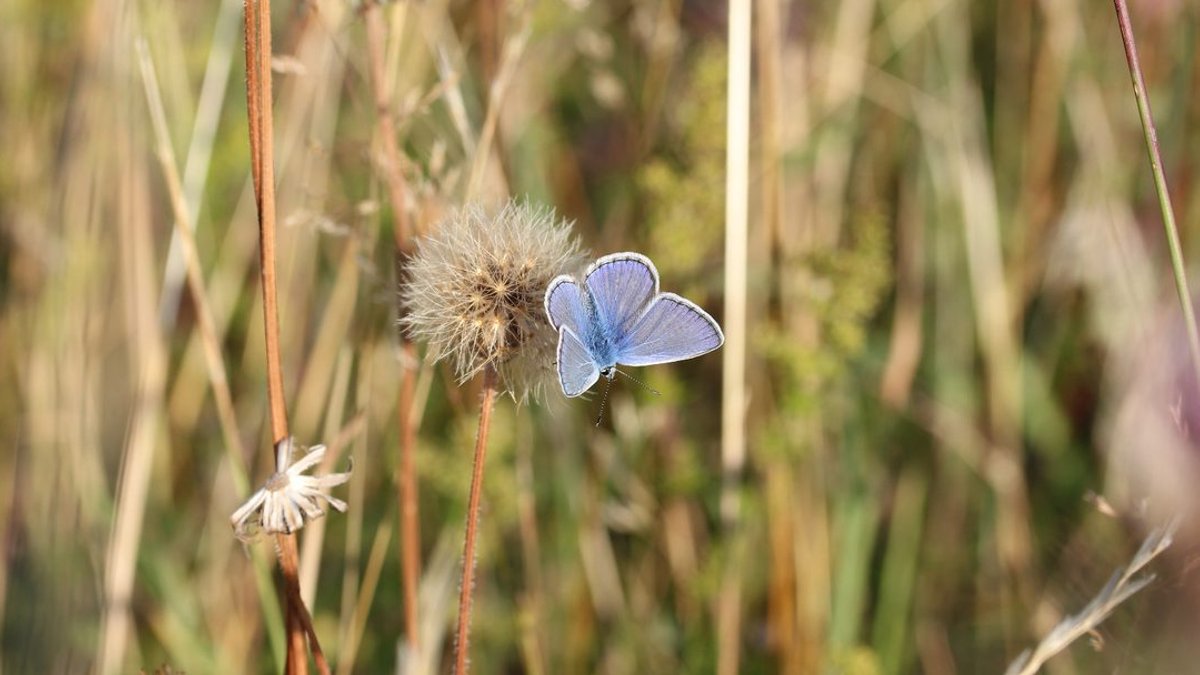
The 2026 Big Butterfly Count has revealed a great summer for butterflies, with 1.4 million spotted across the UK.
The hot, dry weather that benefited adult butterflies may have harmed their caterpillars. Butterfly Conservation fears this could lead to a population crash next year.
A Summer of Winners and Losers
The Painted Lady stole the show, with numbers up 335% on last year. Holly Blue and Gatekeeper also thrived, achieving their best-ever results.
However, not all species fared well. The Small Tortoiseshell had its second-worst year, while Speckled Wood, Green-veined White, and Ringlet showed significant declines.
Long-Term Concerns
Professor Richard Fox, Head of Science at Butterfly Conservation, warns that the extreme weather could have long-term consequences. The drought damaged plants caterpillars rely on, potentially impacting butterfly populations for years.
With 80% of UK butterfly species already in decline, the situation is critical. Climate change and habitat loss leave them vulnerable to further shocks.
Read Also: Radio host looks into celebrities’ real homes
The Big Butterfly Count 2027 will be key in understanding the full impact of this summer’s weather.
Butterfly Conservation urges everyone to take simple steps to help. Planting holly, ivy, and buckthorn provides food for caterpillars, while collecting rainwater and allowing grass to grow long creates vital habitats.
The Impact of Extreme Weather
The extreme weather conditions experienced across the UK this summer have raised concerns about the long-term health of butterfly populations. Professor Richard Fox highlights the 1976 and 1995 droughts as historical examples, noting that some butterfly species never fully recovered from those events.
Taking Action to Help Butterflies
Butterfly Conservation is urging the public to take proactive steps to support butterfly and moth populations. One key recommendation is to plant specific shrubs that provide essential food sources for caterpillars. Holly, ivy, and buckthorn are particularly beneficial. Holly and ivy support the Holly Blue, while buckthorn is the primary food source for Brimstone caterpillars. Additionally, oaks, hawthorn, birches, apples, and willows offer habitats for a variety of moth caterpillars.
Another important action is collecting rainwater during the autumn and winter months. This stored water can be used to nourish key plants during dry summers, ensuring they remain healthy and provide food for caterpillars and butterflies. Furthermore, allowing patches of grass to grow long can create cooler, damper microhabitats that offer refuge during heatwaves. Butterfly Conservation research has showed that gardens with a patch of long grass saw up to 93% more butterflies, and a wider range of species.


