
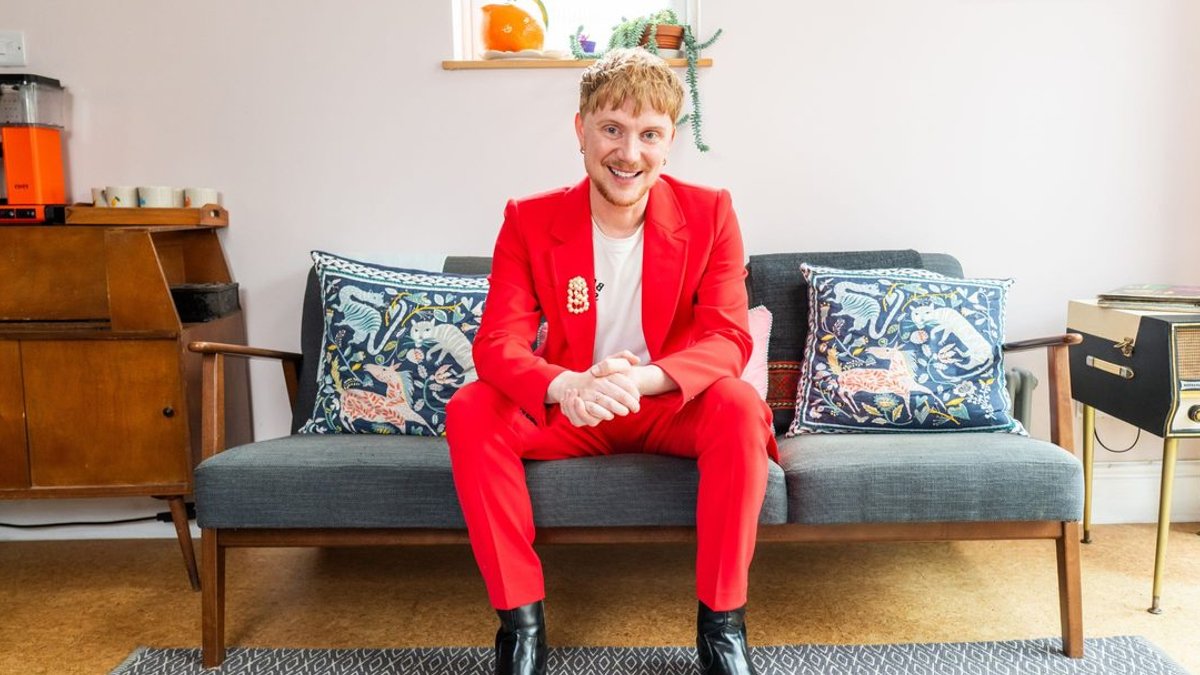
Owain Wyn Evans, best known for his decades-long tenure on the BBC Radio 2 Early Breakfast Show, has introduced a new podcast that shifts focus from morning chatter to the private spaces of Britain’s most familiar faces. Love What You’ve Done With The Place cuts through the polished social media feeds and staged Instagram shots to expose the real, lived-in environments behind the public personas.
Evans has long explored celebrities’ private lives through television and radio interviews. “I love a good nosy around people’s homes, and I’ve been very lucky to be able to do that on some of the TV shows I’ve worked on,” he says. “We often see glimpses into the homes of celebrities on social media, or in interviews, but I wanted to dig deeper!” The podcast blends design critique, personal anecdotes, and the kind of genuine curiosity that makes home tours so compelling.
His first guests—Sophie Ellis-Bexter, Tom Allen, Reverend Kate Bottley, and Dr. Ranj Singh—represent figures whose public images are as refined as their homes. Yet Evans steers clear of admiring only the high-end finishes. Instead, he probes for the distinctive details: the Meryl Streep-level observations, like what sits on a mantel or the color of a downstairs toilet. (Evans confesses he’d happily tour Streep’s residence just to satisfy his curiosity.)
Why Homes Reveal More Than Interviews
The podcast capitalizes on a widespread fascination with peering behind the curtain—not out of mere voyeurism, but because a home reveals character in ways interviews never do. Evans frames it as an opportunity to see how celebrities reconcile privacy with the public’s appetite for authenticity. “Your home is your sanctuary, your private place, and it should remain that way,” he explains. “But we also put a lot of time and effort into making a house a home, so it’s nice to have the opportunity to chat about certain parts of it.”
Evans’s own home reflects his approach. His Cardiff residence is filled with personal artifacts: a childhood moped displayed on a kitchen shelf, a disco ball hanging in his “drinkette lounge” (a combined seating and drinking area), and an old pub chair from Wales that he keeps for sentimental reasons, even though he never uses it. These objects carry stories, he explains, and that’s what transforms a house into a home.
Read Also: Quartz worktops pose health risks
His recent renovations in Penarth required significant adjustments. The original layout didn’t suit their needs, so they demolished walls and reworked the floorplan—a process that, like many home projects, evolved organically. “We’ve recently swapped around our dining room and living room as the layout makes more sense this way,” he says.
DIY Wisdom for Styling Period Homes
For styling a period home on a limited budget, Evans offers simple guidance: prioritize what already exists and avoid rushing. The pressure to create a “perfect” social media-ready space is misleading, he argues. His most rewarding DIY project? A movable glitterball in the lounge, installed on a heavy-duty laundry hand crank, which he ceremoniously lowers every Friday night to mark the start of the weekend.
The podcast releases weekly on all platforms, including YouTube, where Evans’s warm, conversational tone makes even ordinary details, like Chris Appleton’s John Lewis pantry system or Sarah Jessica Parker’s £12 IKEA lamp—feel like exclusive insights. Yet the true appeal lies in how these homes mirror their owners’ identities.
Evans’s own home illustrates this perfectly. A little orange chair, purchased by his husband when they lived in Cardiff, has remained with them through moves from Cardiff to Penarth and beyond. It symbolizes the lasting value of personal connections over fleeting trends.
The podcast’s popularity extends beyond celebrity homes to the broader interest in how personal spaces define identity. Stacey Solomon provided a striking example during her move into a new property. Fans marveled at her bold choice of paint for the ensuite, a decision that surprised even her closest supporters. The revelation highlighted how homeowners often make unconventional, deeply personal choices in private, even when their public image suggests otherwise.


