
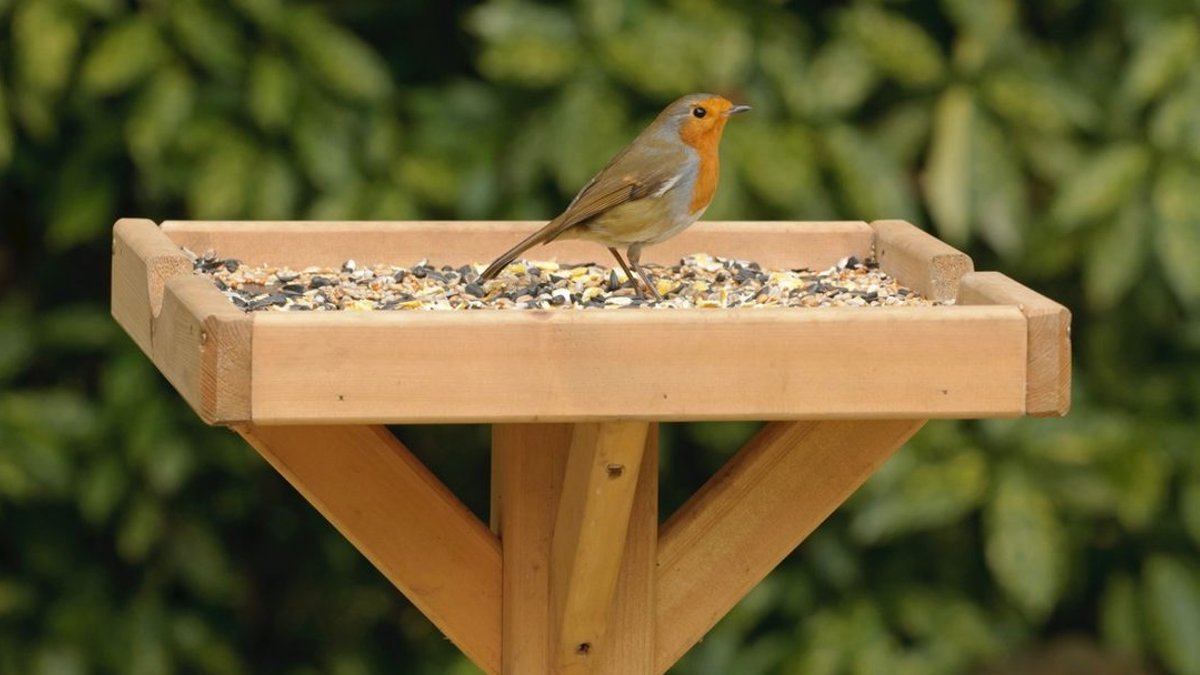
New guidance from the RSPB on garden bird feeding has sparked a wave of change among hobbyists, prompting many to rethink the types of feeders and foods they use during the warmer months.
What the updated advice entails
The charity’s recommendations fall into four simple actions. First, clean and relocate bird feeders at least once a week to keep debris from building up underneath. Second, avoid offering seeds and peanuts from 1 May through 31 October; small portions of mealworms, fat balls or suet are permissible.
Third, steer clear of feeders that have flat surfaces, as these can encourage birds to crowd together. Finally, water bowls and bird baths should be cleaned weekly and refilled each day from a tap, ensuring fresh water is always available.
Why the change matters now
Scientists link the new rules to a reduction in disease transmission, particularly trichomonosis, a parasite that spreads quickly when birds feed in dense groups on warm days. The parasite can survive in damp seed mixes, moving from one bird’s beak to another through saliva.
Greenfinches have been hit hard; since the Big Garden Birdwatch began in 1979, their numbers have fallen by 67 percent, wiping out more than two million individuals and earning a spot on the UK Red List. Similar declines are seen in chaffinches and bullfinches, which often forage beneath tube feeders.
Related: Blaupunkt Wins Four Design Awards
“Feeding birds is something millions of us love and value,” said the RSPB’s chief executive Beccy Speight, “but the science shows us that birds such as greenfinches have been affected by the spread of disease at feeders.” The parasite, Trichomonas Gallinae, is not on the feeder itself but can be deposited there as birds bite into the food.
When food becomes damp and reaches a certain temperature, it mimics conditions inside a finch’s gut, allowing the parasite to multiply. By limiting seed and peanut offerings during the peak season, the RSPB aims to cut that cycle.
Beyond cleaning, the charity encourages gardeners to grow plants that naturally attract insects and provide seedheads. Recommended species include field scabious, dog rose and lavender for summer insects, and sunflowers, cornflowers, angelica and teasels for autumn seed. Short grass supports worms for blackbirds and thrushes, while berrying shrubs such as hawthorn, elder and honeysuckle feed birds through winter.
Overall, the new guidance aims to preserve the long‑term health of garden birds while still allowing enthusiasts to enjoy feeding them. By cleaning feeders regularly, limiting seed and peanut offerings in summer, and planting supportive vegetation, garden owners can contribute to a safer environment for the birds that visit their yards. garden show interest has also risen alongside these efforts.


