
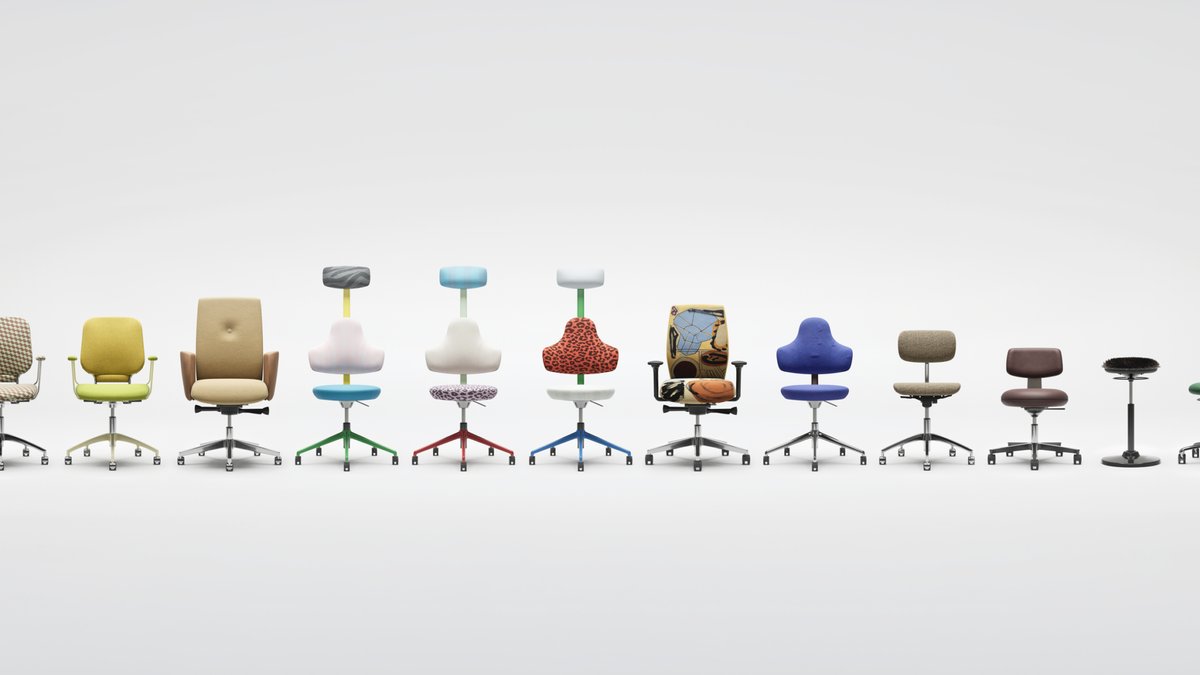
Office chairs dominate daily life, yet they rarely attract the design attention given to lounge or dining seats, even though most people spend years in them. They sit in cubicles, conference rooms, home offices, and co‑working spaces, becoming an almost invisible backdrop to countless workdays. Because of that constant presence, the chair influences posture, productivity, and even mood without most users realizing its impact.
Office chairs get little design spotlight
People linger in a coffee‑shop chair for half an hour, snap photos, and write essays about it. By contrast, the seat that supports eight years of a career stays largely invisible. The disparity highlights how casual environments invite visual commentary, while the functional setting of work remains under‑examined.
Design fairs and editorial spreads showcase many furniture types, but the office chair stays in the background, despite influencing health, comfort and focus. Its omission from glossy spreads reinforces the notion that it is merely a tool rather than an object of aesthetic interest.
Study shows limited exhibition presence
Savo analyzed a decade of design weeks and five years of coverage in leading publications. The researcher compiled entry lists, counted category tags, and compared the frequency of office seating with other chair types. The data revealed that 8.1 per cent of exhibitor entries were office seating, while lounge chairs appeared more than 2.3 times as often.
When office chairs did appear, the narrative centered on ergonomics, productivity and adjustability, leaving little room for aesthetic discussion. Critics noted that the language used often resembled product specifications rather than artistic critique, which further limited visual exploration.
The findings suggest the category is pigeonholed as functional equipment rather than a design object. This perception may discourage designers from investing creative energy into office‑specific prototypes, perpetuating a cycle of minimal exposure.
Health and sustainability concerns
Good ergonomics are vital: 1.71 billion people worldwide live with musculoskeletal conditions, and lower‑back pain is the leading cause of disability in 160 countries. The sheer scale of discomfort shows the importance of a well‑designed seat.
In the United Kingdom, about 1.8 million office chairs are discarded each year, highlighting a gap in durability and repairability. That volume of waste adds pressure on manufacturers to consider longer product lifespans and recyclable materials.
These figures show that the chair we sit in every day is not a trivial object, yet we often treat it like a footnote. Recognising its role in health outcomes could shift purchasing decisions toward higher‑quality, more sustainable options.
Shifting attitudes toward work furniture
Hybrid work blurs home and office boundaries, and employees now expect environments that feel personal and inspiring. At the same time, there is growing appreciation for sustainable, long‑lasting design.
Design culture is moving away from sterile perfection toward lived‑in, expressive spaces. Objects are becoming extensions of identity, taste and values rather than mere tools. This change encourages manufacturers to experiment with color, texture, and form while still meeting ergonomic standards.
Design matters even in the workplace.
For many, the office chair is an intimate companion that supports ideas, conversations and achievements. Recognising it as design rather than equipment could encourage longer product lifespans and more thoughtful aesthetics. When a chair is seen as a statement piece, it invites care, maintenance, and eventual upgrades that align with evolving personal style.


